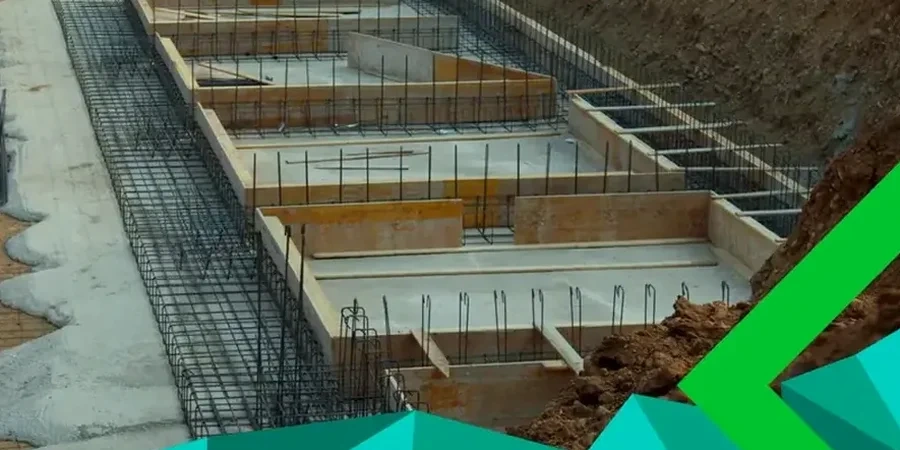
When NZS 3404 sets the framework but the ground beneath is a mix of river silts and sandy pumice layers, foundation design gets local fast. In Whanganui, shallow footings have to handle more than just structural load—they need to cope with the Whanganui River's historic meander deposits and a water table that sometimes sits barely a metre down. The team here run plate load tests and trial pit logging to pin down allowable bearing pressures that match the actual soil profile, not just a textbook assumption. For sites near the river terraces where soft alluvium runs deep, we often combine our shallow foundation assessment with a CPT test to map exactly where the competent layer begins before settling on the footing geometry.
In Whanganui, the difference between a footing that performs and one that settles is often just 300 mm of additional embedment into a competent gravel lens.
Quick answers
What does a shallow foundation design package for a Whanganui residential site typically cost?
For a standard residential lot in Whanganui, our shallow foundation design—including site investigation, bearing capacity analysis, and a PS1 design report—runs between NZ$2.950 and NZ$5.630 depending on site access, number of test locations, and whether laboratory triaxial testing is required for the specific soil conditions encountered.
How deep do footings need to go in the Whanganui floodplain areas?
In the floodplain silts and loose sands, we typically specify a minimum embedment of 600 mm to get below the zone of seasonal moisture fluctuation. However, if our Scala penetrometer testing shows soft material extending deeper, we may recommend going to 900 mm or widening the footing to reduce bearing pressure on the weaker soil.
Do I need a separate liquefaction assessment for a shallow foundation in Whanganui?
Under NZS 1170.5, Whanganui has a seismic zone factor of 0.13, and sites with loose saturated sands within the upper 10 metres may require a liquefaction check. Our shallow foundation design can integrate basic screening, but for sites with high groundwater and sandy layers, a dedicated liquefaction assessment is recommended to confirm that bearing capacity won't be compromised during a seismic event.
What lab tests do you run to determine bearing capacity for shallow footings?
We use undrained triaxial tests on Shelby tube samples from cohesive layers to measure shear strength, and one-dimensional consolidation tests on silty samples to predict settlement behaviour. These results feed directly into the bearing capacity calculations and settlement analysis, ensuring the design is based on actual Whanganui soil behaviour rather than generic correlations.