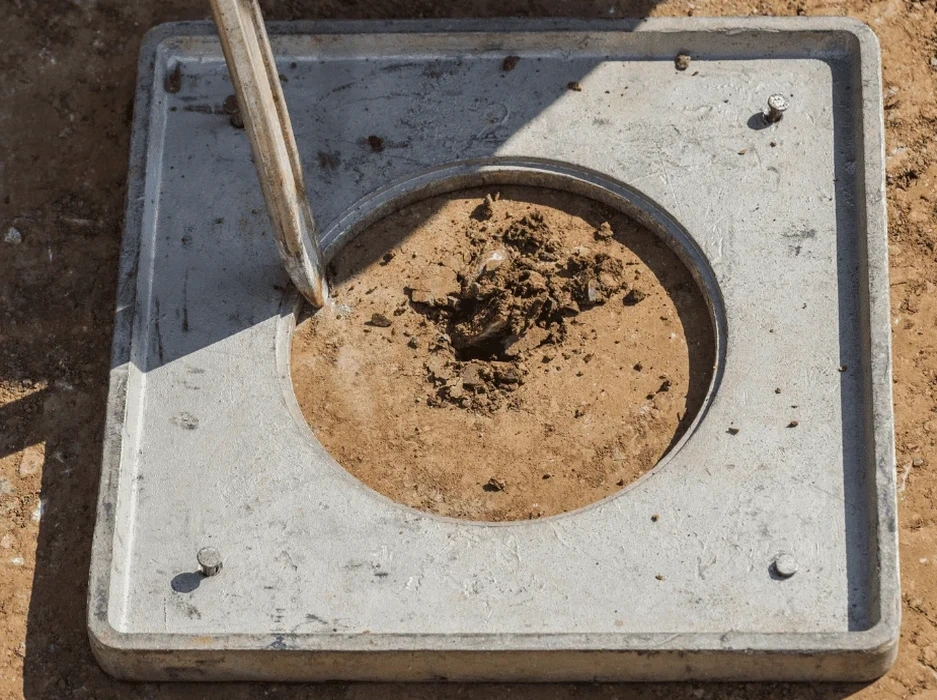
The CPT rig moves slowly across the site, pushing the cone tip into the sandy layers that sit just a few metres below Whanganui’s surface. This isn’t a generic test—it’s a targeted soil liquefaction analysis designed around the river-deposited sediments that define our geology. Whanganui sits on what was once a massive floodplain, with the Whanganui River having shifted course for millennia. That history left behind loose, saturated sands that can behave like a heavy liquid during strong shaking. When you’re investing in a commercial build or a new subdivision near Castlecliff or Aramoho, the geotechnical question isn’t “if” a quake could trigger liquefaction—it’s “how deep” the affected layer goes. We run the cone, measure pore pressure dissipation, and deliver a site-specific report that tells you exactly what the soil will do under seismic load.
Liquefaction doesn’t just happen in Christchurch—Whanganui’s river deposits put many sites at real risk, and the difference between a safe foundation and a write-off is often a properly executed CPT.
Quick answers
How much does a soil liquefaction analysis cost for a typical Whanganui residential section?
For a standard residential section, a CPT-based liquefaction assessment with a summary letter report typically ranges from NZ$3,620 to NZ$6,070 depending on access, depth to refusal, and whether lab testing of fine content is required. Larger commercial sites with multiple CPT locations are quoted individually after a site visit.
Does Whanganui really have a liquefaction problem, or is that mainly a Christchurch issue?
Christchurch showed what can happen, but the geological conditions that cause liquefaction are present in many parts of Whanganui. Loose, saturated river sands at shallow depth combined with a shallow water table—common near the Whanganui River and its old channels—create the same physical mechanism. The regional seismicity from the North Island Fault System provides the trigger. The risk here is real, just less publicly documented.
What’s the difference between LPI and LSN, and which one do I need?
LPI (Liquefaction Potential Index) estimates the severity of surface manifestation—essentially how much the ground might crack and eject sand. LSN (Liquefaction Severity Number), developed after the Canterbury earthquakes, better correlates with observed foundation damage. For Whanganui projects, we typically report both, but insurers and structural engineers are increasingly requesting LSN because it ties more directly to expected building performance.
Can I build on a site that shows high liquefaction potential?
Yes, in most cases, but you’ll need ground improvement or a foundation solution that tolerates settlement. Options include densification with stone columns or vibrocompaction, deep piles bearing below the liquefiable layer, or raft foundations with sufficient stiffness. The soil liquefaction analysis gives us the numbers to design the right solution, not just flag the problem.